
The fusion of French-Indian jewelry
The origin of the Franco-Indian bond
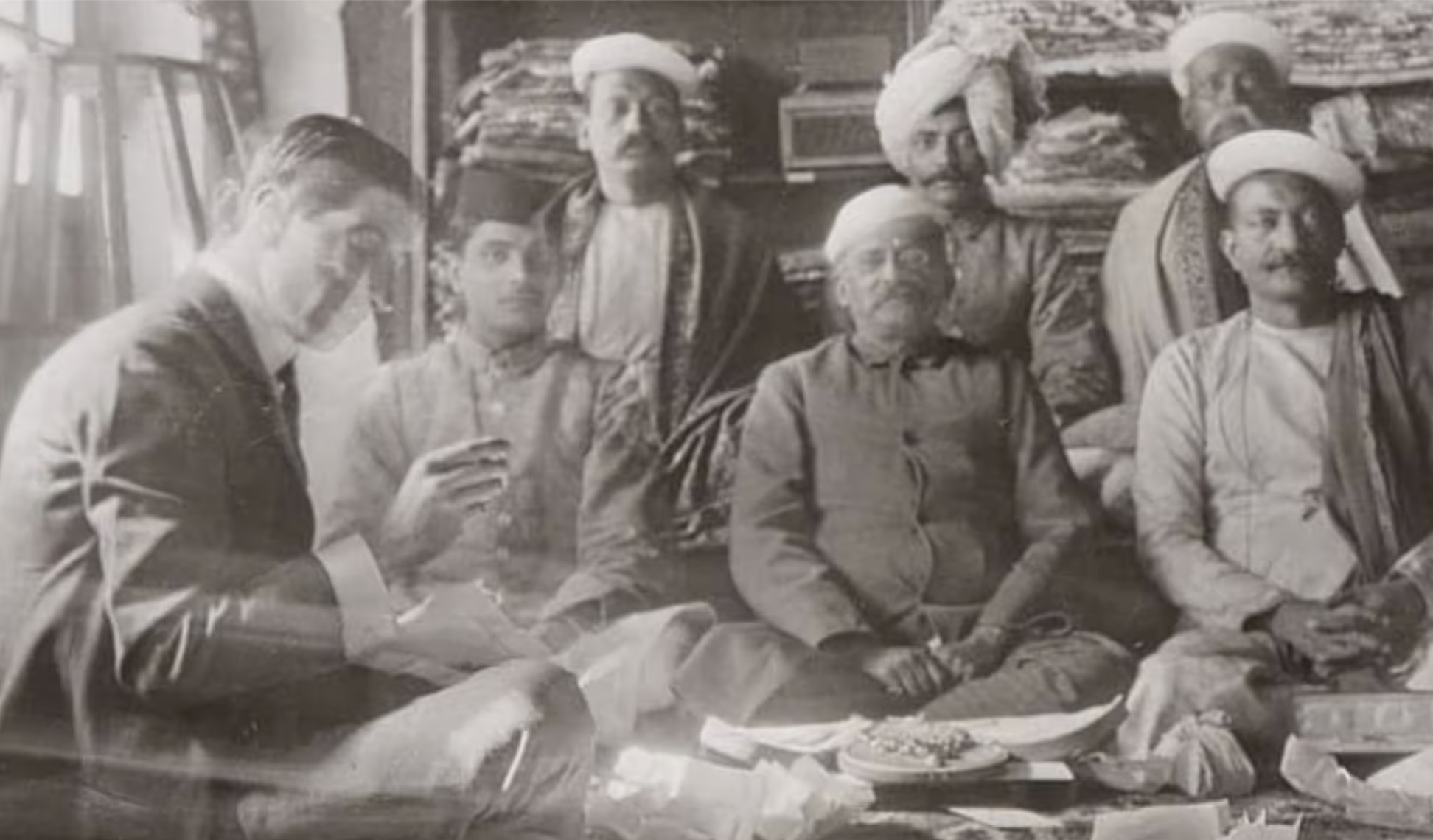
It was Jacques Cartier (1884-1941) who, in his time, forged the precious bond that still unites India and France in the realm of jewelry today. Selecting stones of exceptional beauty, he went on to create extraordinary pieces such as the fabulous necklace of the Maharaja of Patiala, which he designed in 1928. Adorned with over 2,900 diamonds and rubies, as well as a sublime 234.69-carat yellow diamond, one of the largest in the world.
Surya Mathew, a Franco-Indian Master Jeweler, has been inspired by this heritage since his earliest years. It is in this tradition that he decided to establish his workshop and later his Maison in the Montorgueil district, a historic neighborhood of jewelers and notably the Cartier family.
In India,
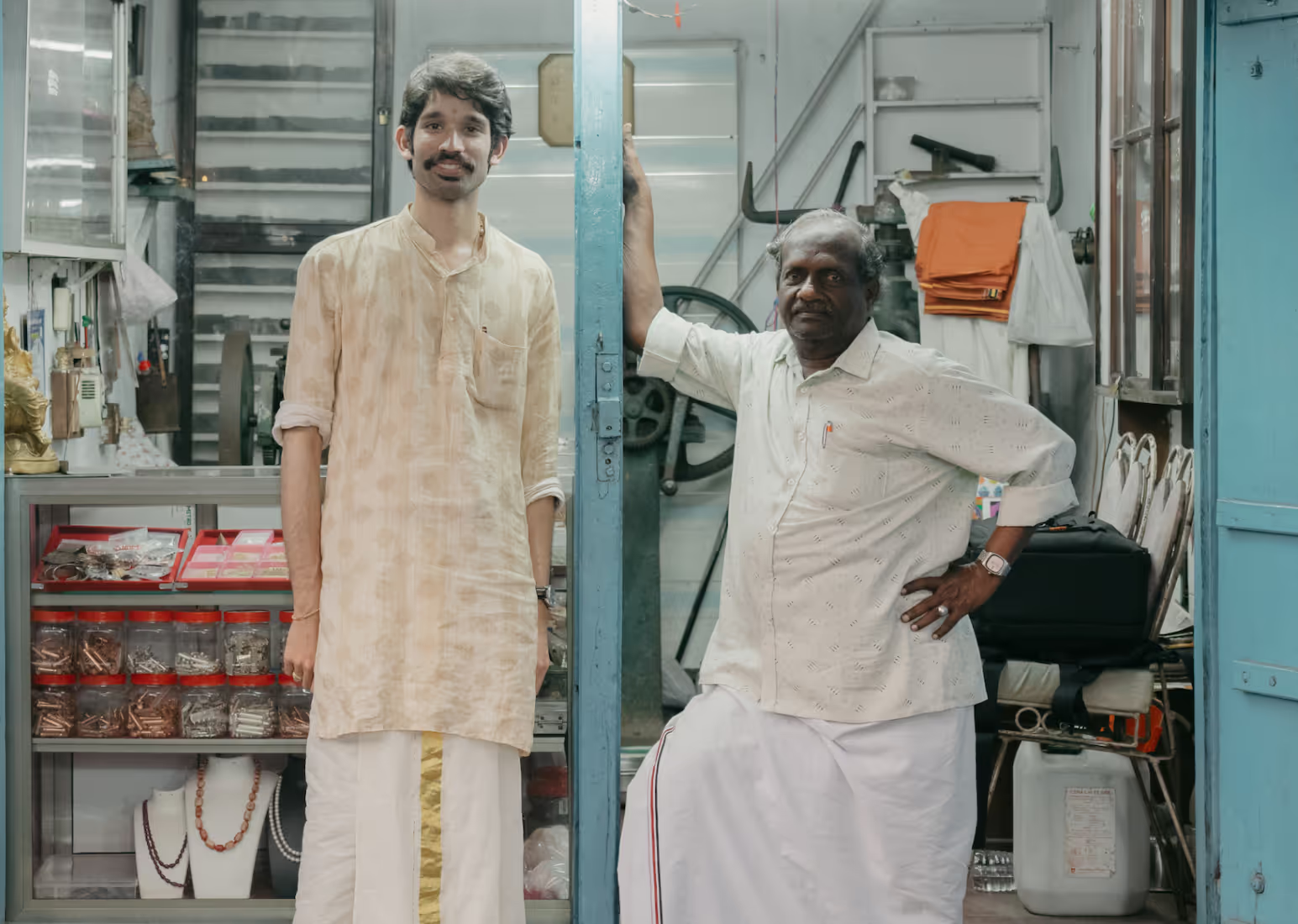
The Palace Road Workshop
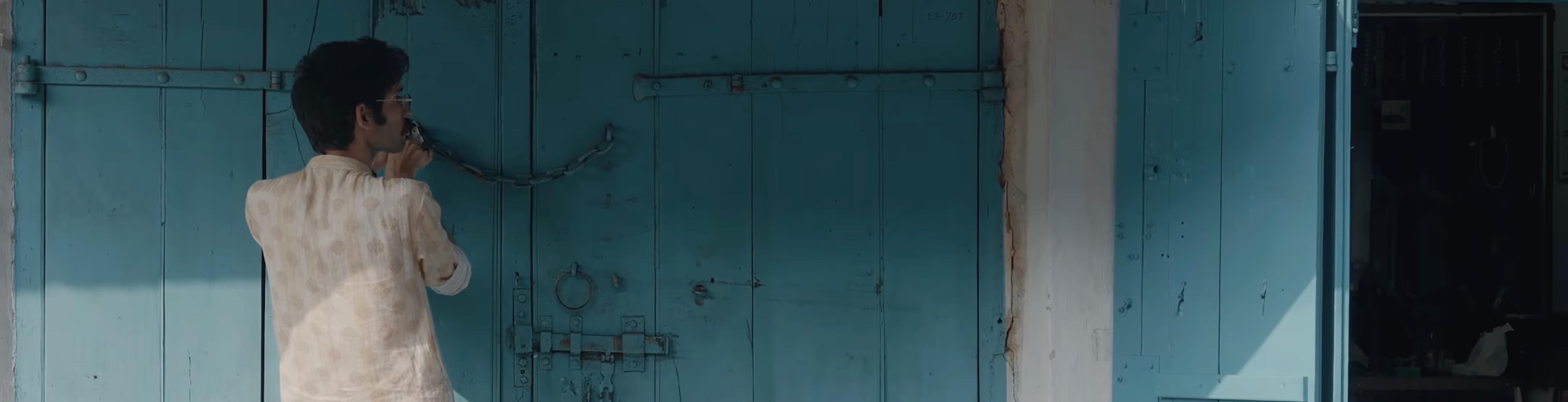
This is where it all began for Surya Mathew in South India, Cochin, Kerala. At the age of ten, he was introduced to Sacred Art Jewelry by his first Master Jeweler, Nadesan. When he was 13, Surya met his second master jeweler, Dhanapalan, who allowed him to continue his apprenticeship, surrounded by other artisan jewelers from the community. He then decided to make Sacred Art Jewelry his life’s work. It was during a traditional ritual that his Master Jeweler, Dhanapalan, designated Surya to carry on his family lineage, which dates back six generations.
The Origins of Maison Surya Mathew in Paris
When Surya Mathew founded his workshop and then his House in 2024, one of his missions was to continue forging this bond between French and Indian jewelry.
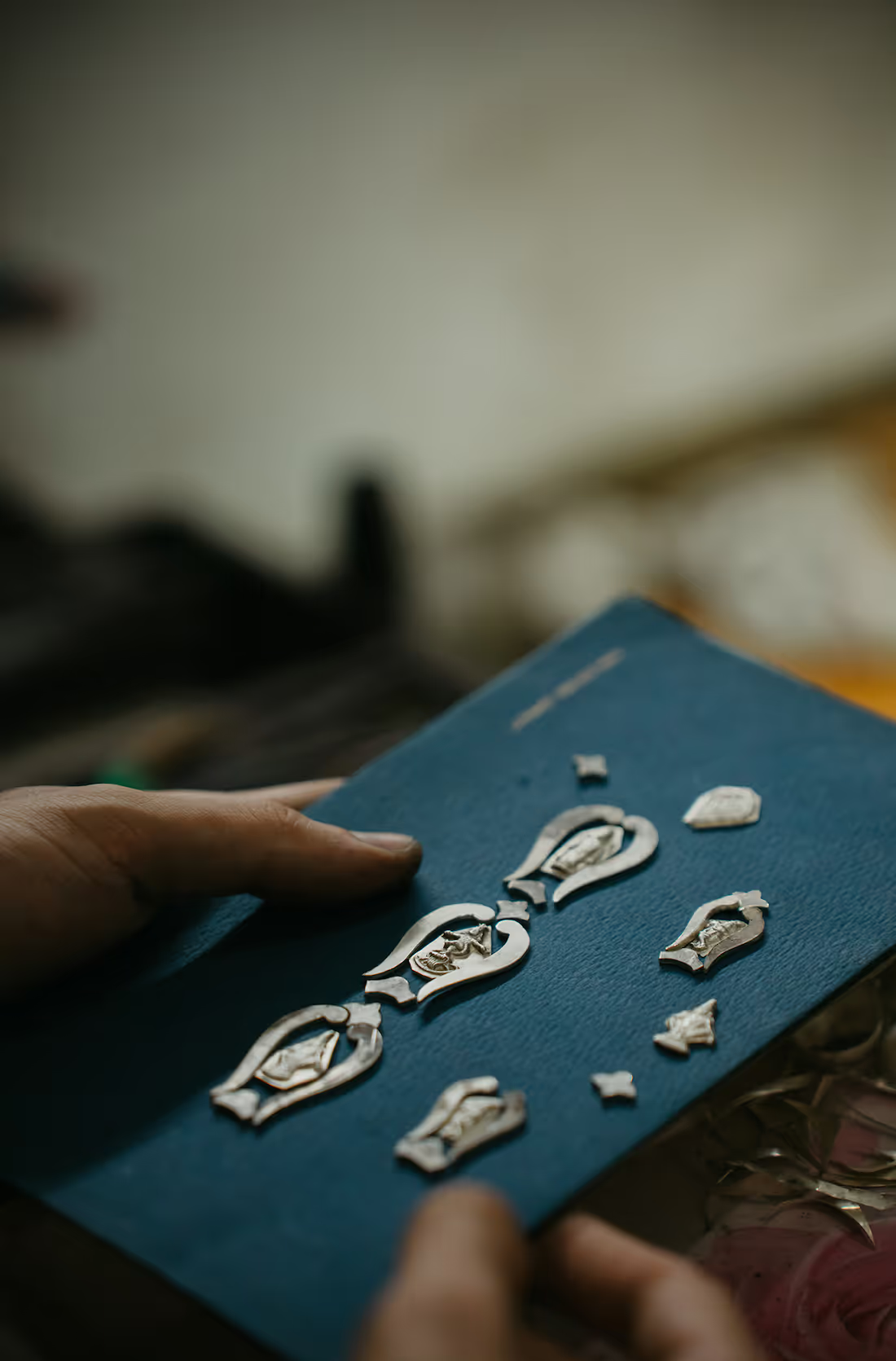
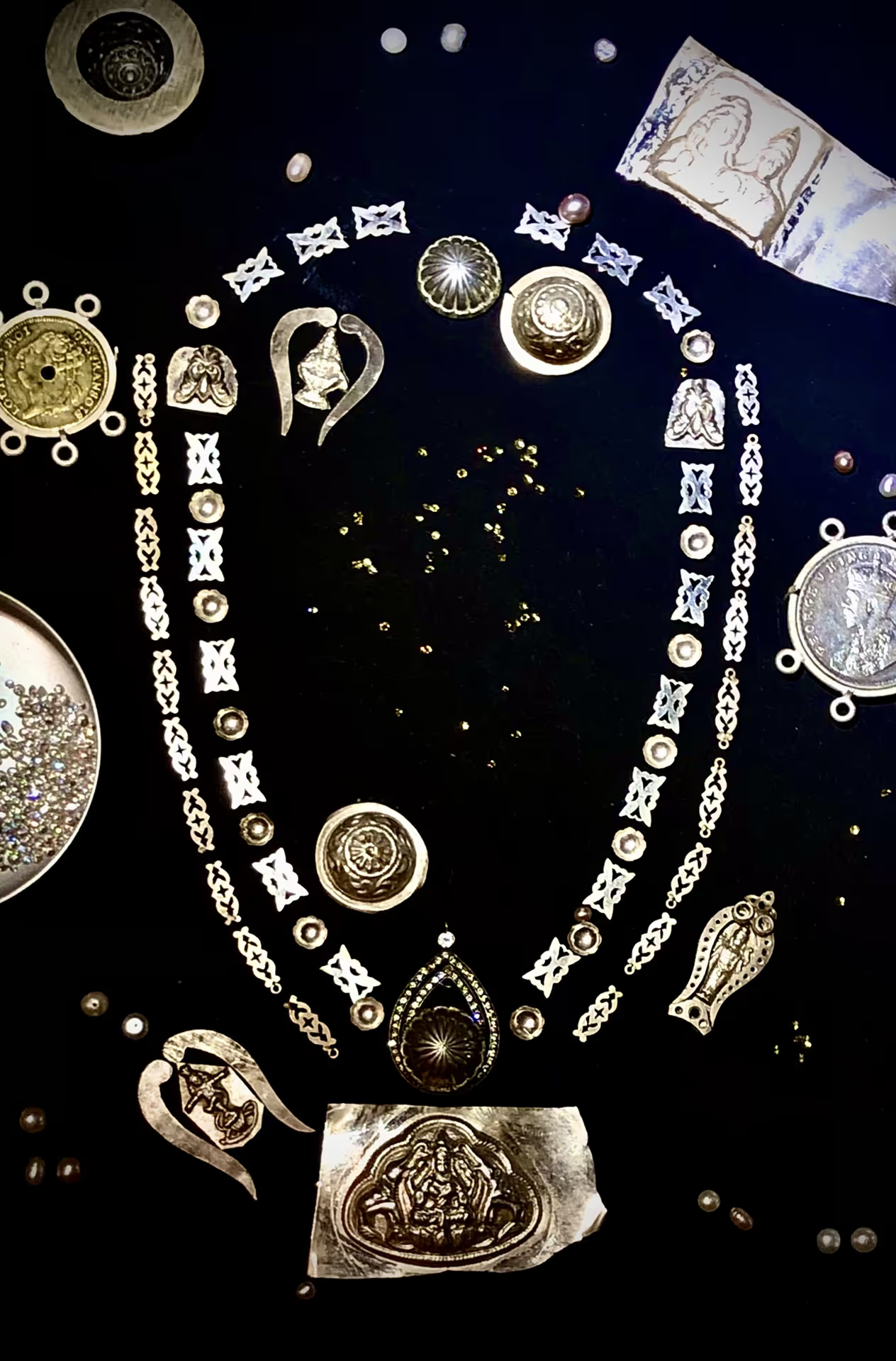
In particular, the jewelers at the Parisian workshop and the artisan jewelers on Palace Road have been working for two years on pieces that blend ancestral Indian craftsmanship with French Haute Joaillerie. These works will form a collection set to debut in 2026.
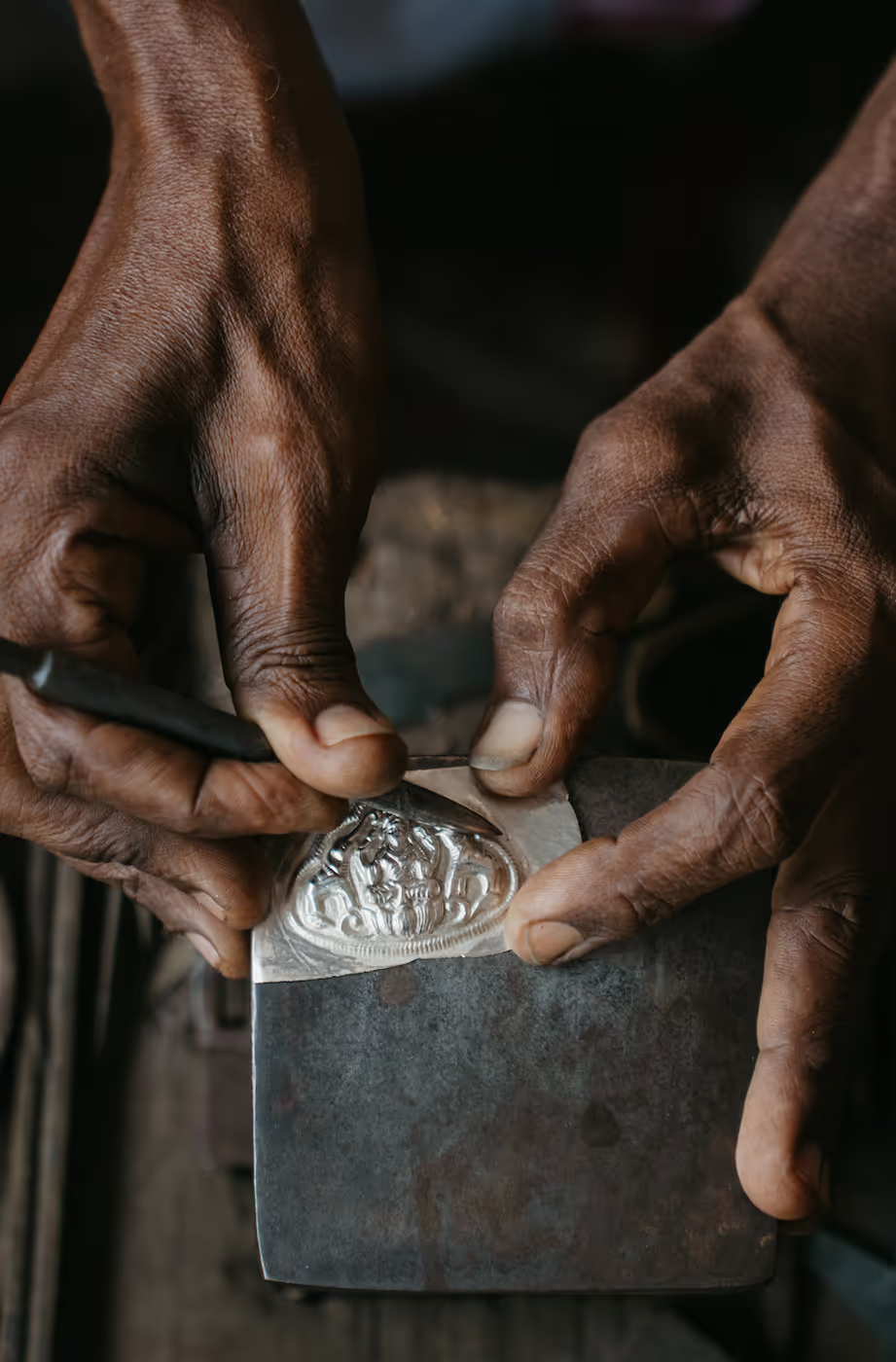
The Palace Road Workshop
Embark on a unique journey to India, following in the footsteps of the last Master Jewelers of the mythical Palace Road and their ancestral craftsmanship.